
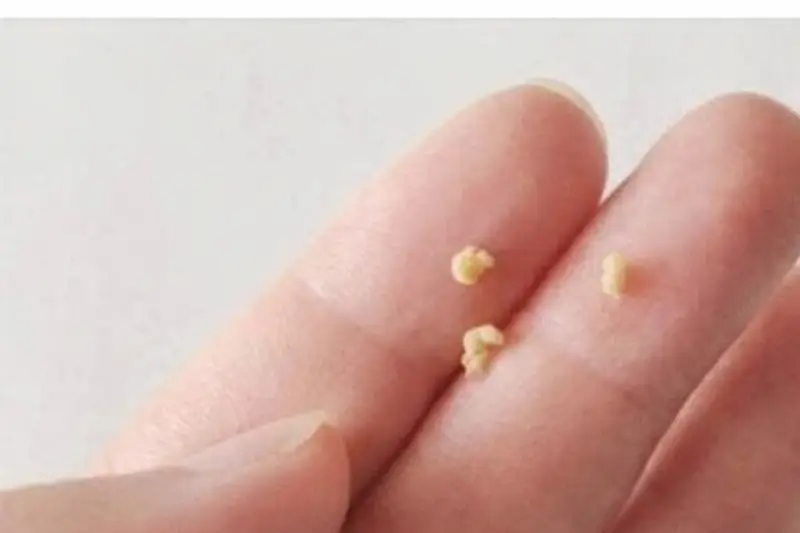
If you’ve ever coughed up or noticed small, white or yellowish lumps from the back of your throat that smell extremely unpleasant, you’re not alone. These are often tonsil stones (tonsilloliths), and they are one of the most common causes of persistent bad breath.
While they can be embarrassing, tonsil stones are usually harmless and can often be managed with good oral hygiene and a few simple habits.
What Are Tonsil Stones?
Tonsil stones are small, hardened deposits that form inside tiny pockets (called crypts) in your tonsils.
They develop when materials such as:
- Food particles
- Dead cells
- Mucus
- Bacteria
become trapped and gradually harden over time.
As bacteria break down this material, they produce sulfur compounds that can cause a very strong, unpleasant odor.
Common Symptoms
People with tonsil stones may notice:
- Persistent bad breath (halitosis)
- Small white or yellow lumps in the tonsils
- A bad taste in the mouth
- Feeling like something is stuck in the throat
- Mild sore throat
- Difficulty swallowing (larger stones)
- Ear discomfort (occasionally)
Some people don’t realize they have tonsil stones until one comes loose while coughing, sneezing, or brushing their teeth.
Other Causes of Bad Breath
Not all bad breath is caused by tonsil stones. Other common causes include:
- Poor oral hygiene
- Gum disease
- Tooth decay
- Dry mouth
- Smoking or tobacco use
- Certain foods (such as garlic and onions)
- Sinus infections or postnasal drip
- Acid reflux (GERD)
- Certain medical conditions, such as diabetes or liver disease (less common)
How to Help Prevent Tonsil Stones
1. Brush Thoroughly
Brush your teeth at least twice a day, paying attention to the gumline.
2. Clean Your Tongue
Bacteria often collect on the tongue.
Use a tongue scraper or gently brush your tongue daily.
3. Floss Every Day
Flossing removes food particles and plaque from between the teeth where a toothbrush can’t reach.
4. Gargle Regularly
Gargling with warm salt water may help loosen debris and keep the mouth cleaner.
An alcohol-free antiseptic mouthwash may also help reduce bacteria.
5. Stay Hydrated
Drinking enough water helps prevent dry mouth, which allows odor-causing bacteria to multiply more easily.
6. Avoid Smoking
Smoking contributes to dry mouth and increases the risk of bad breath and gum disease.
Can You Remove Tonsil Stones at Home?
Small tonsil stones sometimes come out on their own when:
- Coughing
- Sneezing
- Gargling
Some people gently rinse them away with water or a low-pressure oral irrigator.
Avoid using sharp objects or digging into your tonsils, as this can cause bleeding, infection, or injury.
When to See a Doctor
You should consult a healthcare professional if:
- Tonsil stones keep coming back.
- You have severe pain or difficulty swallowing.
- You develop fever or significant swelling.
- Bad breath persists despite good oral hygiene.
- The stones become very large or difficult to remove.
An ear, nose, and throat (ENT) specialist can recommend appropriate treatment if needed.
Tips for Fresher Breath
For long-lasting fresh breath:
- Brush twice daily.
- Floss every day.
- Clean your tongue.
- Drink plenty of water.
- Visit your dentist regularly.
- Treat gum disease or cavities promptly.
- Limit smoking and tobacco use.
Frequently Asked Questions
Are tonsil stones dangerous?
Usually not. They are generally harmless, although they can be uncomfortable and cause bad breath.
Why do they smell so bad?
The trapped bacteria produce sulfur-containing gases, which have a strong, unpleasant odor.
Can everyone get tonsil stones?
Anyone can develop them, but they’re more common in people with deep tonsil crypts or those who experience frequent tonsil infections.
Will removing the stones cure bad breath?
If tonsil stones are the main cause, removing them may improve breath. However, if bad breath continues, another cause—such as gum disease, tooth decay, or a medical condition—may need to be addressed.
Final Thoughts
Tonsil stones are a common and often overlooked cause of bad breath. Fortunately, they’re usually harmless and can often be managed with good oral hygiene, regular gargling, and staying well hydrated.