
How to Stop Rice Water from Boiling Over: 12 Foolproof Tips
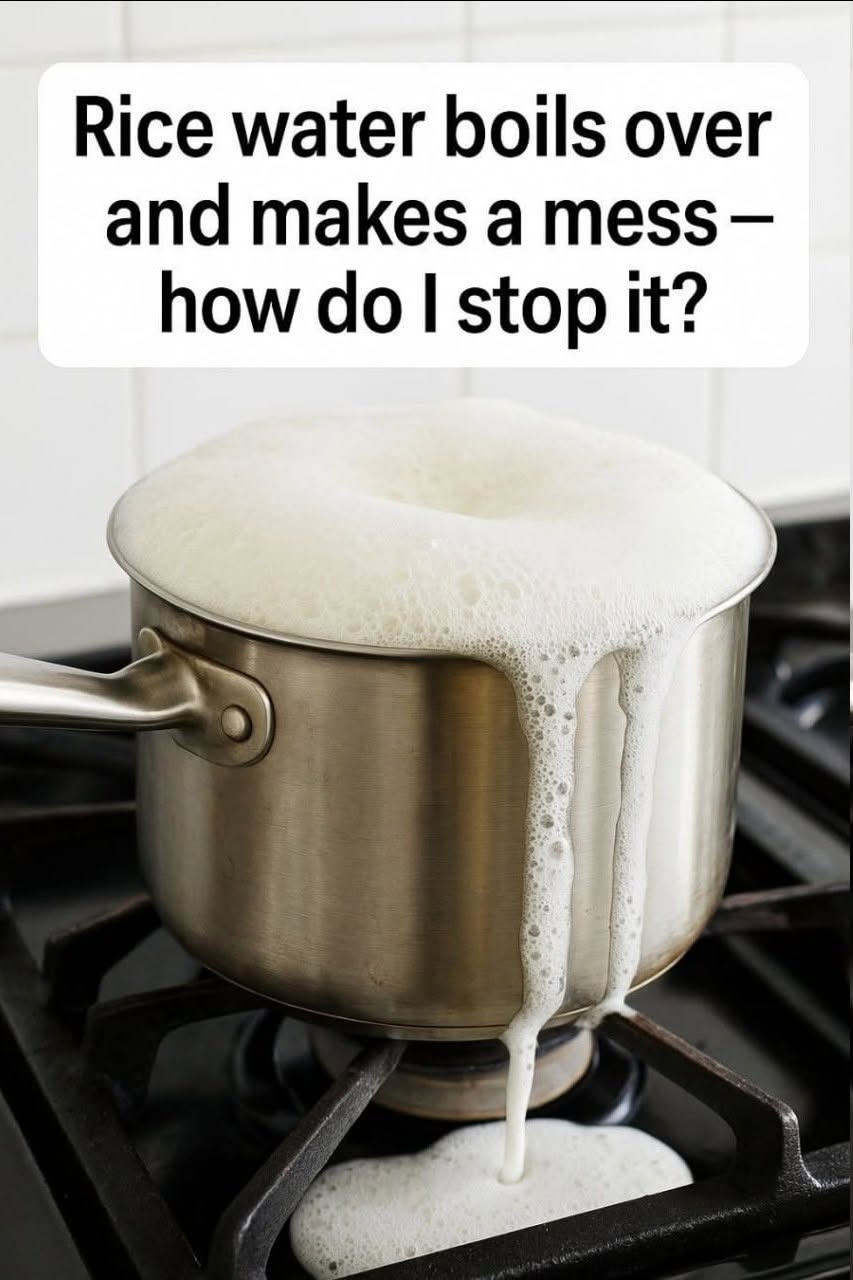
Cooking rice should be simple, but anyone who’s made it knows that rice water boiling over is a frustratingly common problem. It happens when starch from the rice creates a thick foam that rises quickly and spills over the pot, leaving a sticky, burnt-on mess on your stovetop.
Fortunately, you don’t have to live with this kitchen annoyance! Below, we’ll explore why this happens and share 12 effective strategies to keep your rice cooking smooth, mess-free, and perfectly every time.
Quick Summary: Best Ways to Prevent Boil-Overs
Method How It Works
Rinse the rice Removes excess starch that causes foaming
Use a larger pot Provides more headspace for foam to expand
Reduce heat A gentle simmer creates less foam than a rolling boil
Add oil or butter Fat breaks down foam bubbles
Vent the lid Allows steam to escape, reducing pressure
Try a rice cooker Designed to prevent boil-overs automatically
Why Rice Water Boils Over in the First Place
Rice water boils over primarily due to starch. When rice cooks, heat causes starch granules to swell and release into the water, creating a foamy layer on the surface. As steam bubbles rise, they push this starchy foam upward—and if the pot is too small or the heat too high, it spills right over the edge.
Other contributing factors include:
Using a pot that’s too small
Filling the pot too high with water
Cooking at too high a temperature
Not rinsing the rice beforehand
Understanding these causes is the first step to preventing the mess!
12 Proven Ways to Prevent Rice from Boiling Over
1. Rinse the Rice to Cut Down on Starchy Foam
Rinsing rice before cooking is one of the most effective ways to reduce boil-overs.
How to do it: Place the rice in a fine-mesh strainer and rinse under cold running water, gently swirling with your hand until the water runs clear. This usually takes 2–3 minutes.
By removing excess surface starch, you produce far less foam during cooking. This is especially effective for high-starch varieties like jasmine or basmati rice.
2. Use a Bigger Pot with More Headspace
A larger pot gives the rice and water room to expand without spilling over.
Rule of thumb: Fill the pot only halfway with water and rice combined. For example, if you’re cooking 1 cup of rice, use a pot that holds at least 2 quarts.
This simple adjustment provides ample space for foam to rise safely without reaching the rim.
3. Control the Heat: Gentle Simmer, Not a Rolling Boil
Heat control is crucial. Once the water reaches a boil, reduce the heat immediately to maintain a gentle simmer.
A vigorous rolling boil produces more steam and agitates the water, increasing the chance of spillover. A gentle simmer not only prevents messes but also ensures your rice cooks evenly and retains its texture.
4. Use the Right Water-to-Rice Ratio
Using the correct ratio helps minimize excess water and foaming.
Rice Type Water per 1 Cup Rice
White rice 1½ to 2 cups
Brown rice 2 to 2½ cups
Basmati/Jasmine 1½ to 1¾ cups
Too much water causes excessive foaming; too little leaves you with undercooked rice. Adjust according to your rice variety for best results.
5. Vent the Lid or Use a Partial Cover
How you use the lid makes a big difference.
Vent the lid by leaving a small gap or using a lid with a built-in vent. This allows steam to escape, reducing pressure inside the pot.
Cover partially rather than sealing it completely—this traps enough heat to cook the rice while letting excess steam escape.
Experiment with different lid positions to find what works best with your pot and stove.
6. Stir at the Start to Break Up Surface Starch
After adding rice to boiling water, give it a quick stir to separate the grains and distribute the starch evenly.
This prevents a thick starch layer from forming on the surface, reducing the risk of boil-overs. Just don’t over-stir, or you’ll end up with mushy rice!
7. Add a Splash of Oil or Butter to Tame the Foam
Adding a small amount of fat to the cooking water helps reduce foaming. The fat interacts with the starch, breaking down bubbles before they can rise too high.
How much: About 1 teaspoon of oil or a small knob of butter is usually sufficient. Bonus: it adds a subtle richness to the cooked rice!
8. Try the Wooden Spoon Hack (and Its Limits)
You may have heard the popular trick of placing a wooden spoon across the top of the pot to prevent boil-overs. The theory is that the spoon breaks surface tension and pops bubbles before they spill over.
While this can be somewhat effective, it’s not foolproof. Its success depends on pot size and cooking temperature, so use it alongside other methods for best results.
9. Use a Rice Cooker for Hands-Off Cooking
Rice cookers are specifically designed to manage temperature and steam, automatically preventing spills.
How they work: They adjust heat as needed and often have vented lids to release steam safely. If you cook rice regularly, investing in a rice cooker can save time, effort, and mess.
10. Try Microwave Cooking
Microwave cooking is another mess-free alternative.
How to do it: Use a microwave-safe bowl with a loose-fitting lid or microwave-safe plastic wrap. Cook on medium power and check frequently to ensure even cooking. This method is quick, convenient, and boil-over-free.
11. Add Acid (Lemon Juice or Vinegar)
A little acid can help reduce starch foam.
How to do it: Add 1 teaspoon of lemon juice or white vinegar to the cooking water. This helps break down the starch and reduce foaming—plus, it can make your rice fluffier!
12. Choose the Right Rice for Your Cooking Style
Different rice varieties release different amounts of starch. Sushi rice and other sticky varieties are more prone to boiling over than long-grain types like basmati.
If boil-overs are a constant problem, consider:
Opting for long-grain or parboiled rice
Rinsing extra thoroughly for starchy varieties
Adjusting your pot size and heat accordingly
Quick Clean-Up: What to Do When It Boils Over Anyway
If your rice does boil over, act quickly to minimize the mess:
Turn off the heat and carefully lift the pot to avoid burns
Use a damp cloth or sponge to wipe up the spill immediately—dried-on starch is much harder to remove.
For stubborn stains, sprinkle a little baking soda on the area and scrub gently with a damp sponge.
Quick action saves your stovetop and your sanity!
Pro Tips for Perfect Rice Every Time